Compatibility
Would activate EIP-1559 and EIP-3198 behavior for ETC clients in that scenario.
BASEFEE, give it a beautiful, auditable destination.Don’t burn the fee. Put it to work.
This branch of Elysium is hypothetical and only matters if Olympia or another ETC upgrade ever creates a BASEFEE. In that case, Elysium argues ETC should route it into a deterministic ETC-native engine that can produce visible utility, beginning with logtrees/logN.
Elysium also has a broader ETC-native roadmap that does not require BASEFEE to exist at all. We are discussing this narrower routing hypothetical now because Olympia is one path that could create a BASEFEE for ETC; if that happens, the initial intended productive path is logtrees, powered by logN and a public Treemap.

BASEFEEWould activate EIP-1559 and EIP-3198 behavior for ETC clients in that scenario.
Would keep priorityFee payable to block producers.
Would redirect consensus BASEFEE to a deterministic Elysium Revenue Contract.
Would preserve ETC issuance and exclude Proof-of-Stake dependencies.

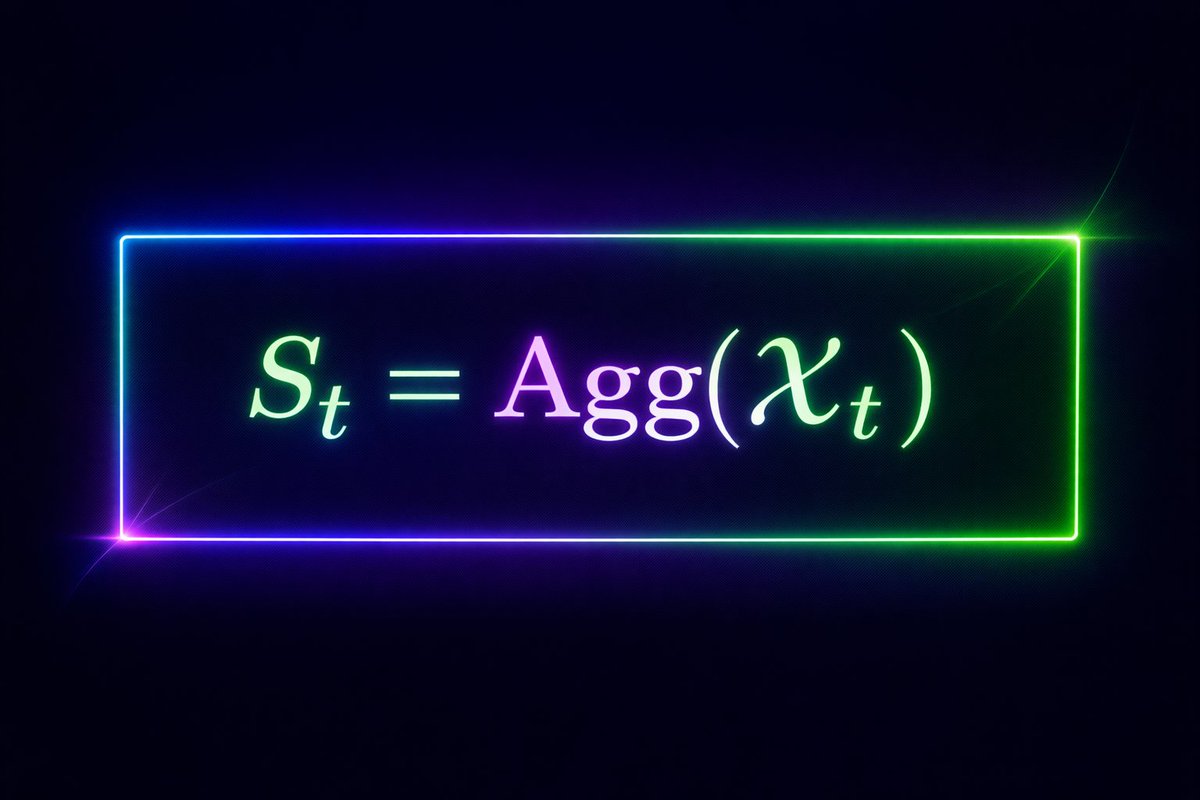
A logtreed blockchain is a blockchain whose base settlement layer is paired with logtrees so that verifiable positive externalities can be recorded, aggregated, and turned into auditable utility.
In the hypothetical BASEFEE-routing branch of Elysium, Ethereum Classic remains the base layer while logtrees/logN are the first intended productive engine attached to it.
The broader Elysium roadmap does not require ETC to adopt a BASEFEE at all, and it does not require ETC to adopt every future logtrees feature at once. This page asks the narrower question of whether, if Olympia or a similar upgrade ever creates BASEFEE, that revenue should support a protocol-owned engine of visible utility rather than passive accumulation alone.
If ETC ever has redirected BASEFEE to allocate, the current implementation preference is a governance-routed split of redirected BASEFEE with a cautious capped option of 97% for miners, 1% for ETC Core, 1% for ETC Grants, and 1% for logtrees.
These are draft policy targets intended to remain revocable and governance-controlled (renew/revise/reduce/remove), with ETC able to increase its own share if governance deems that necessary/desirable, and with transparent accounting and periodic review rather than immutable entitlement.
Within this framing, miner alignment remains the primary objective, while ETC Core, ETC Grants, and logtrees each retain a narrow substrate lane for continued ETC-native stewardship, public ecosystem support, and productive utility work.
Allocation ratios and capability claims should be treated as governance hypotheses to continuously test, audit, and iterate in public.
In this hypothetical routing branch, the 1% logtrees, 1% ETC Core, and 1% ETC Grants lanes are treated as narrow but durable stewardship engines for broader ETC-native continuity. The intent is not centralization; it is resilient stewardship of foundational layers that must remain self-healing, self-growing, and self-funding over long horizons.
Effective stewardship here requires people, resources, and long-context expertise with vested, nurtured interests in ETC, logtrees/logN, and adjacent execution realities. This is framed as ecosystem self-care for core substrates rather than discretionary gatekeeping.
We explicitly encourage LLM-backed and expert-backed scrutiny, and we have already engaged in both forms of scrutiny ourselves.
Elysium explicitly favors Ethereum Classic decentralization. In this hypothetical BASEFEE-routing framing, the brunt of redirected BASEFEE is aimed at miners, while preserving dedicated ETC Core, ETC Grants, and logtrees lanes, with the thesis that this mix materially strengthens ETC capabilities over time.
The intended end-state is ETC as a premier Proof-of-Work blockchain with expanding practical capabilities, while preserving the open allure of being mineable.
Consensus-facing proposal for EIP-1559/EIP-3198 activation and deterministic BASEFEE routing.
Minimal custody semantics and deterministic deployment target for Elysium receipts.
Open page →Non-consensus path describing intended productive settlement modules and cautious scope boundaries.
Open page →